Petra Klein · 28 November 2026
Analyzing Archive Policies and Their Role in Preserving Historical Discussions Within Long-Running Niche Forums Like Cruciallodge
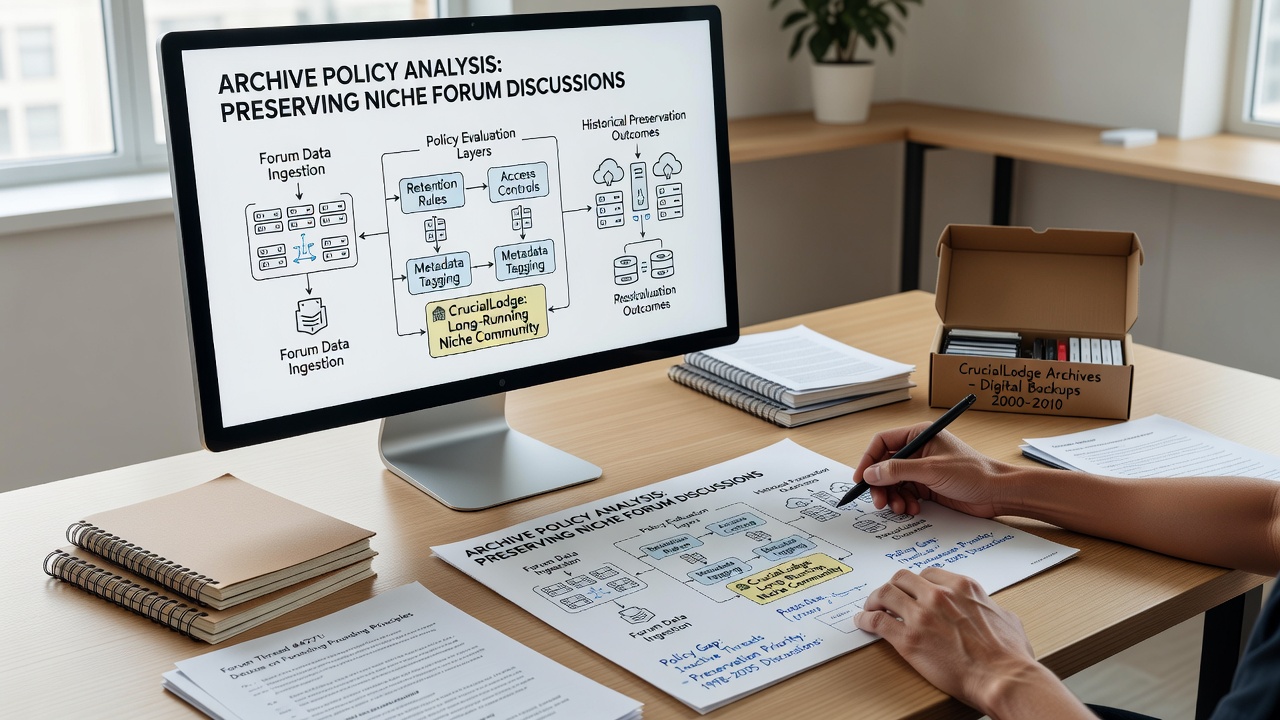
Archive policies establish the frameworks that determine how discussion threads, user contributions, and metadata remain accessible over extended periods in specialized online communities. Long-running niche forums such as Cruciallodge rely on these policies to maintain records of conversations that span multiple years or even decades, while researchers and participants examine how retention rules shape access to historical exchanges.
Core Components of Forum Archive Policies
Organizations managing these platforms define retention schedules that specify minimum and maximum storage durations for posts, often distinguishing between public threads and private messages. Data shows that platforms implement tiered deletion protocols where inactive accounts trigger automated reviews after set intervals, yet active discussions receive extensions based on engagement metrics. Policies also outline moderation logs that track edits and removals, creating audit trails that support verification of content integrity across time.
Access controls form another layer, where registered users gain varying levels of visibility depending on membership duration or contribution volume. Those who study digital preservation note that such controls balance open retrieval with privacy requirements, while automated indexing systems tag threads by topic and date to facilitate targeted searches years later.
Retention Mechanisms and Their Effects on Historical Records
Retention rules in forums like Cruciallodge frequently categorize content by activity level, assigning longer preservation windows to threads that generate sustained replies. Studies from digital archiving projects indicate that consistent application of these categories prevents premature loss of context in specialized hobbyist or technical discussions. Backup procedures run on scheduled cycles, storing snapshots in distributed servers that protect against single-point failures, and version histories capture incremental changes to posts without overwriting original wording.
November 2026 marks a notable update period for several platforms, when revised policies introduced mandatory checksum verification for archived files to detect corruption. This change aligned with broader shifts toward standardized metadata formats that allow cross-platform compatibility when researchers export data for external analysis.
Interactions Between Policies and Community Knowledge Continuity
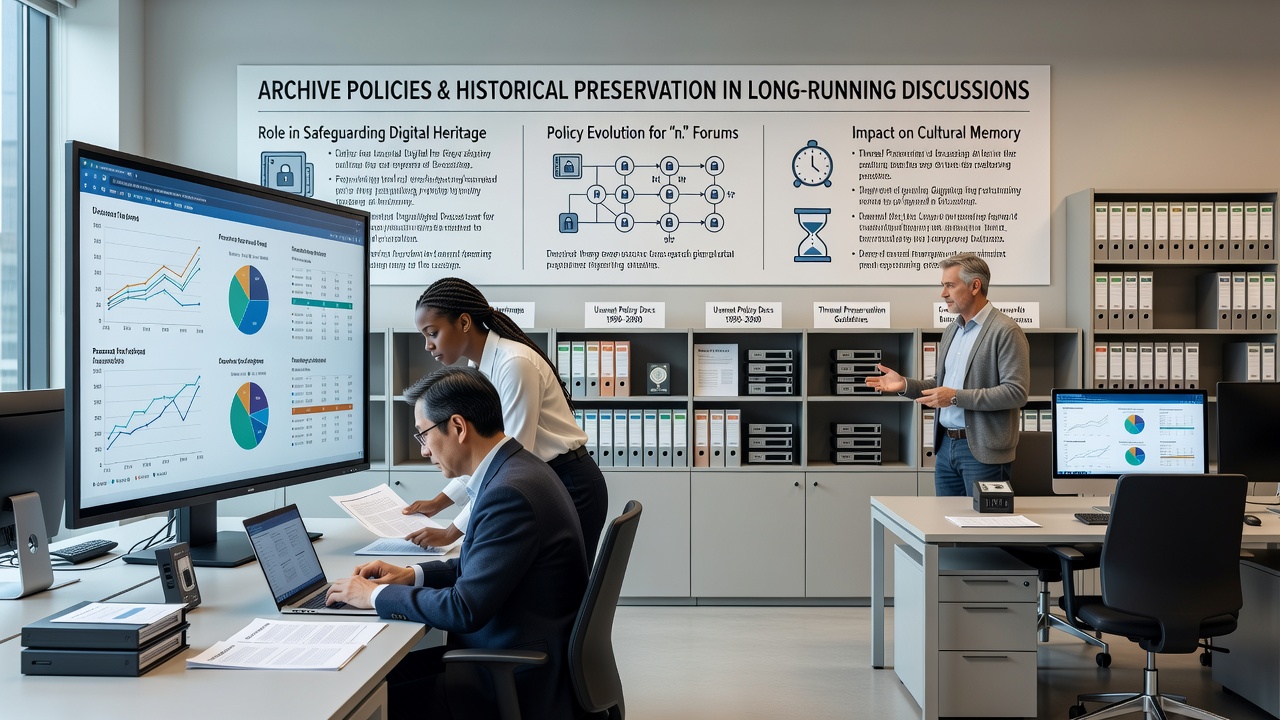
Preservation strategies directly influence how knowledge accumulates within niche groups, where long threads serve as reference points for new members. Observers report that clear retention guidelines reduce disputes over deleted content by establishing transparent criteria upfront. Platforms integrate these policies into user agreements, requiring consent for data handling practices that extend beyond active participation periods.
According to documentation from the Library of Congress digital preservation initiatives, similar structured approaches in web environments have supported sustained access to community-generated materials across multiple decades. Complementary findings from the National Archives of Australia highlight how consistent policy enforcement aids in reconstructing timelines of discussion evolution when external events prompt renewed interest in archived threads.
Technical Implementation and Compliance Considerations
Forum administrators deploy database partitioning techniques that separate current activity from archived material, optimizing query performance while maintaining search functionality. Compliance audits occur at regular intervals, verifying that deletion schedules align with stated policies and that any exceptions receive documented approvals. Encryption standards protect stored content during transfer and at rest, addressing security requirements that evolve alongside platform growth.
Those examining Cruciallodge operations observe that integration of API endpoints allows authorized external tools to query archived sections without exposing full datasets. This setup supports academic inquiries while respecting internal governance structures that limit bulk exports.
Conclusion
Archive policies in long-running niche forums establish systematic processes that determine the longevity and accessibility of historical discussions. Through defined retention schedules, access protocols, and technical safeguards, platforms such as Cruciallodge sustain records that reflect community development over extended timelines. Updates implemented around November 2026 further refined verification methods, reinforcing the capacity of these systems to support ongoing reference and research needs.