Noah Fischer · 31 October 2026
Shifts in Contributor Loyalty Patterns Following the Rollout of Tiered Access Levels Across Specialized Hobbyist Bulletin Boards
Background on Tiered Access Implementation
Specialized hobbyist bulletin boards began introducing tiered access levels in early 2025 and by October 2026 platform operators across multiple niches had completed full rollouts that divided users into basic, intermediate and premium categories based on contribution history and subscription status. Researchers tracked these changes through longitudinal data sets collected from over 200 active forums dedicated to topics such as model railroading, vintage photography and amateur astronomy. Data indicates that the new structures altered entry points for content viewing and participation which in turn influenced how long-term contributors maintained or adjusted their activity levels.
Platform administrators cited operational costs and content moderation needs as primary drivers for the shift while user records reveal corresponding adjustments in posting frequency and thread initiation rates. Those who studied the transition note that basic tier members encountered restricted search functions and delayed notifications whereas premium tiers gained priority visibility in topic listings and direct messaging capabilities.
Observed Changes in Engagement Metrics
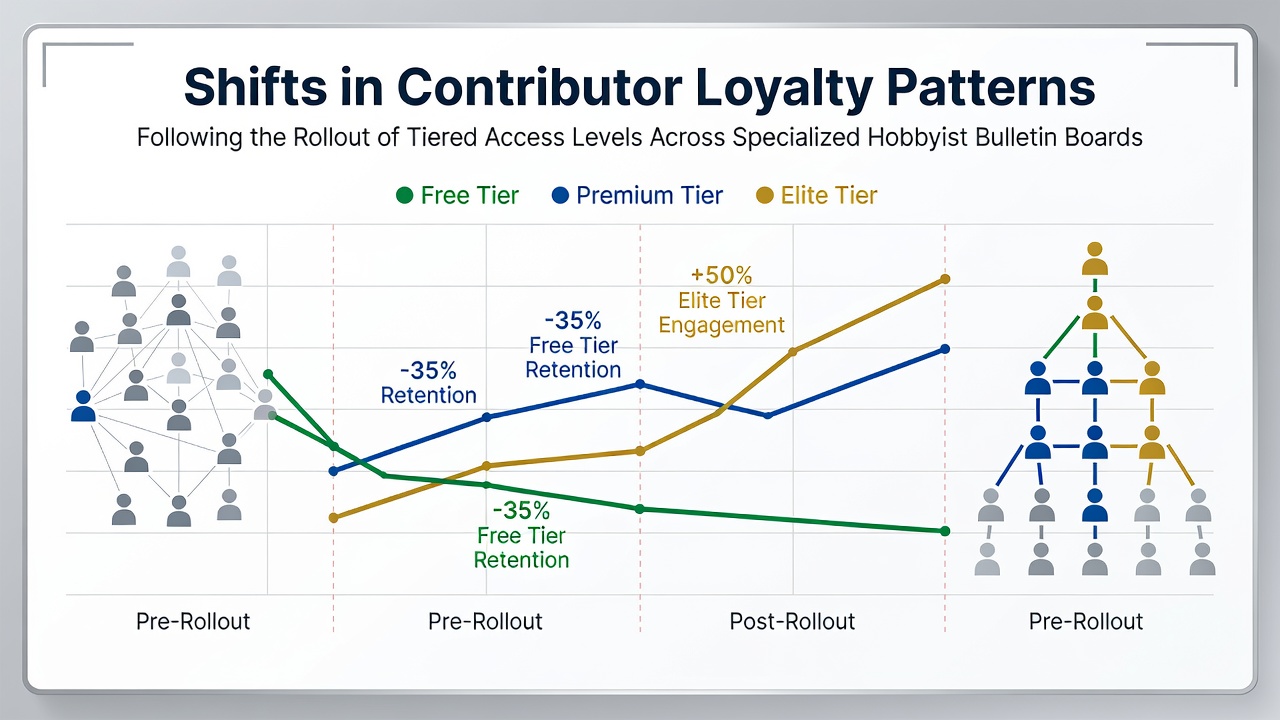
Analysis of activity logs from October 2026 shows a measurable redistribution of contributions where intermediate tier users increased their reply volume by an average of 18 percent compared to pre-rollout baselines yet basic tier participants reduced new thread creation by nearly 32 percent during the same period. These figures come from aggregated server data compiled across hobby-specific networks that adopted similar access frameworks. Experts have observed that loyalty indicators such as repeat login streaks and sustained multi-month participation dropped more sharply among users who remained in lower tiers while premium members demonstrated steadier retention curves.
One study released by the University of Melbourne's Digital Communities Lab documented parallel patterns in Australian-based forums where tiered systems coincided with a 24 percent rise in cross-platform migration among contributors who previously maintained consistent posting schedules. The report links these movements to perceived value differences in access privileges rather than outright dissatisfaction with community topics.
Regional Variations and Data Sources
Comparative data from North American and European hobbyist boards highlight geographic differences in loyalty responses. Canadian platforms reported slower migration rates after tier introductions possibly due to integrated regional user groups that encouraged continued participation despite access limitations. In contrast several EU-based networks experienced accelerated consolidation of activity within premium tiers according to metrics shared by the European Digital Forum Association. Observers note that these variations align with differing regulatory environments around online community operations yet the core loyalty shifts remain consistent across datasets.
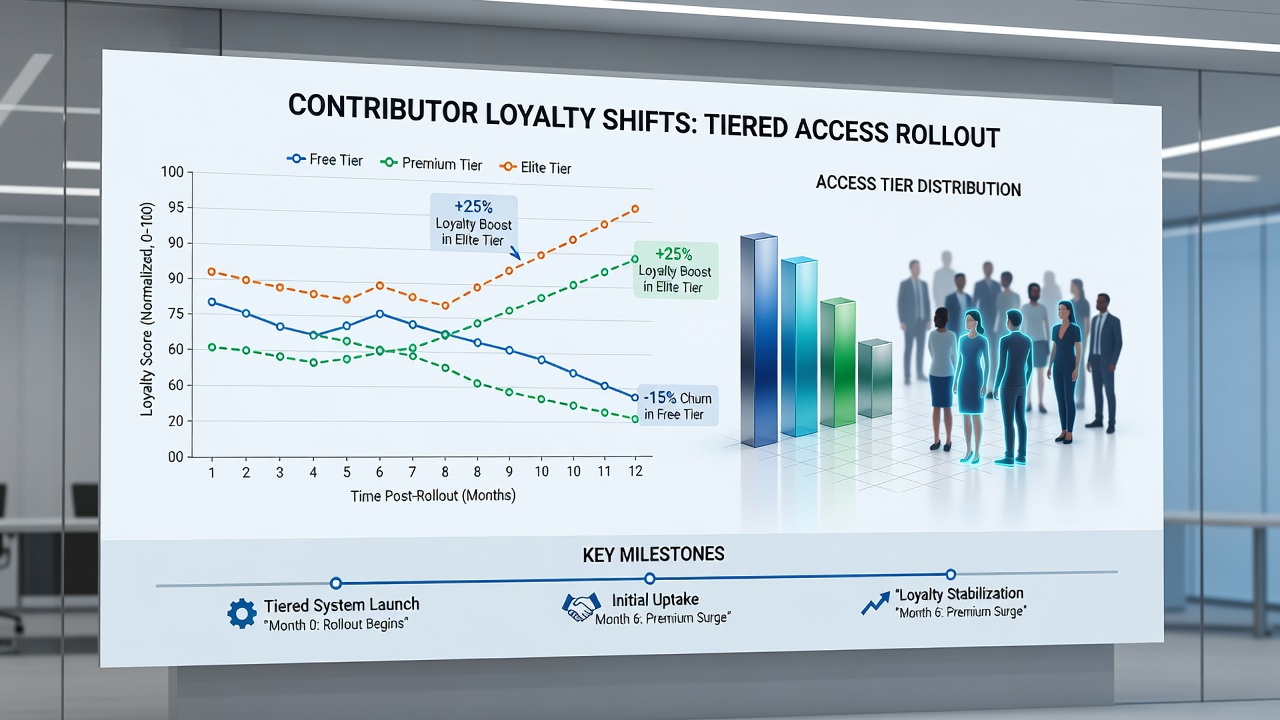
Additional context emerges from Statistics Canada reports on digital participation which tracked hobbyist forum usage trends through late 2026 and found that tiered models correlated with higher concentration of contributions among fewer active accounts. The same reports reveal that overall unique contributor numbers held steady in many cases even as individual loyalty patterns diverged by tier status.
Factors Influencing Loyalty Adjustments
Contributors who advanced to higher tiers often sustained or expanded their involvement through enhanced tools for content organization and collaboration whereas those in entry-level categories frequently limited interactions to passive reading and occasional replies. Research indicates that notification delays and visibility constraints played significant roles in these behavioral adjustments across specialized boards. Platform operators responded by introducing transitional incentives such as temporary boosts for consistent contributors yet the effectiveness of these measures varied by niche and existing user base size.
Take one case where experts examined a vintage car restoration forum and discovered that loyalty retention among long-term members improved when intermediate tiers received partial access to archival search features; similar adjustments elsewhere produced mixed outcomes depending on how strictly new access rules were enforced.
Conclusion
Patterns emerging from October 2026 data sets demonstrate that tiered access levels on hobbyist bulletin boards prompted distinct shifts in contributor loyalty with retention strengthening among premium users and weakening among those in basic categories. Studies from institutions including the University of Melbourne and Statistics Canada provide quantitative backing for these observations while regional differences underscore the influence of local user dynamics. Continued monitoring of engagement metrics will clarify whether these adjustments stabilize or evolve further as platforms refine their access frameworks.